
Showing posts with label content. Show all posts
Showing posts with label content. Show all posts
Thursday, 21 September 2017
What Neil and Eric Do for Content Promotion | Ep. #411

Wednesday, 16 August 2017
8 Proven Ways to Build Your Email List
Some great ideas here if you're struggling to build you email list.
Monday, 14 August 2017
Social Media Strategy | Social Media Marketing Tutorial | Simplilearn
Do you manage several social media platforms? Are you making the most of them and pulling them back to one central hub? If not, this video is gives a great example of how to do that and explains the benefits of following this simple strategy.
Thursday, 3 August 2017
Digital Marketing Best Practices Used by Some Of The Famous Business Brands
To dominate the marketplace mastering digital marketing is essential. Get it wrong and you’ll be left by the competition scratching your head as to why. Don’t know what digital marketing principles are a safe bet? All you need to do is look at some of the top business brands in the world. After all, learning by example is one of the best ways of learning. You do not need to re-invent the wheel, but instead, implement the digital marketing best practices and strategies that successful companies are already utilizing on a daily basis.
The Moz Blog has proven that content really is king
One way to gain the trust of a marketplace is to show that you are the industry authority. Not just because you have the best products, although that’s important too, but because you are able to display your expertise. This can be done via a number of ways and one of the simpler ones is high-quality content.
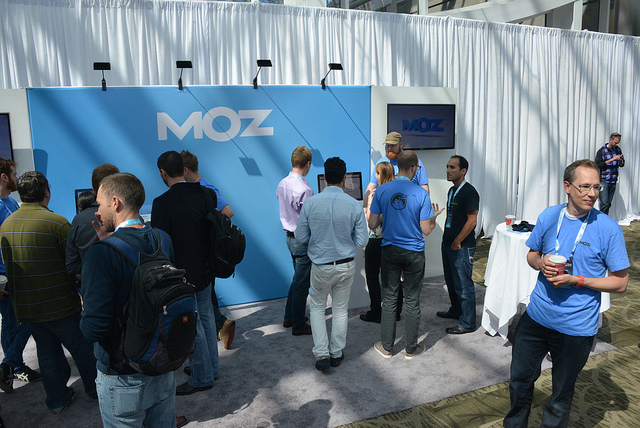
For example, The Moz Blog, an internet marketing blog, provides countless posts to their audience that are of industry leading quality packed with the most up to date and accurate information you can find on internet marketing. So when they release an internet marketing related product do you think the audience is going to hesitate? No, they are going to proceed to the checkout button as fast as possible.
High-quality content adds towards the overall SEO of your website, which draws in the crowds from search engines. Google algorithm changes have placed an importance on content that is the best out there, so it’s a no-brainer that you don’t sacrifice on the quality. Furthermore, great content informs your audience so that they are more educated on what problems your products can solve. It’s an indirect form of marketing that is not going to go out of fashion anytime soon.
From an SEO standpoint, incoming links are very important, they need to have relevant anchor text and be from related authoritative websites. The only natural way to get those links is to create high-quality content. Websites will then naturally want to share your content with their community if they feel it adds value.
Video marketing genius by Blendtec
The “Will it blend?” series on YouTube back in 2006 is as good an example as any of how any product, even a blender, can have an entertaining video marketing campaign behind it. The people who created the blender are engineers that do not know the first thing about marketing. Fortunately, they had the sense to hire a marketer who came up with the YouTube marketing campaign.

The idea was to entertain people by blending anything they could get their hands on and put in on camera. This included wild objects such as a can of Coca-Cola, an iPhone and a whole lot more. People would watch the videos to see if the item in question would blend and in the processes be exposed to the product itself. Next time they need a blender they remember the one that was featured in the cool video they watched.
This is just one example of what a good quality video marketing camping is all about. If you create viral videos then you could potentially get millions of views in a short amount of time. YouTube is one of the most popular websites online and utilizing it to the full potential is a must for any online business.
YouTube allows a link to be placed in the description – this is how you could convert YouTube casual browsers to potential customers on your own website. Just have an appropriate landing page and you’re good to go.
Include a call to action everywhere
A mistake some brands make is to create content that doesn’t instruct the audience to do anything. Any e-mail, video, blog posts, article or press release that’s created should have some form of call-to-action that pushes the audience in the direction of performing a specific action.

This could be to buy a product, sign up for an e-mail newsletter or download a free e-book. Forbes shows an example of visually what difference a call to action can make. They show an example of an ad by JetBlue where they provide a specific price for a flight and the words “book now” underneath it. On the other hand, they show off an ad by Sotheby’s, where there is a beautifully created picture ad, but there is no call to action. It leaves the end user without a real incentive to click on the ad as they do not know what they will be getting in return.
A call to action can improve the ROI of a digital marketing campaign by such significant amount it really is night and day. Furthermore, try to use language in the call to action that speaks to your particular target market. It’s no secret that targeted ads provide a higher ROI so the same can be said for targeted call to actions.
Landing pages
The point of a landing page is to convert the potential customer into a buyer. A marketer from Essay Geeks explains: “the landing page should be related to the target audience as closely as possible”. Therefore, if the Google Ad was targeting small dental practices in Miami, then the landing page should have content related to that specific group of people.
There are many ways that you can go about creating a successful landing page. A video presentation without much else on the page is one way, or you can create a bland page with an e-mail newsletter form that stands out above the fold. It all depends on what you are trying to get out of the visitor.
Make sure that the landing page is not confusing full of clutter. It should have a single purpose for the most part. A great call to action should convey to the visitor what you want them to do.
Furthermore, you can do A/B split testing to compare one landing page against another. When you have acquired a decent sample size of traffic you can see which is the better performing landing page.
For landing page examples, Hubspot has done a great job of selecting a variety to illustrate the importance. For example, Bills.com has a final landing page that’s so simple it will confuse nobody and gets the job done.
Final Words On Digital Marketing Best Practices
Now that you’re armed with some of the best digital marketing practices you can begin to carve out the online empire in your marketplace. If the top brands in the world are making use of these techniques then you can be confident that they work.
You’ll see the power of these internet marketing techniques when your ROI skyrockets and you’re making big long strides over the competition. So use the tricks by famous businesses and online success will only be a question of time.
Thursday, 20 July 2017
Don't Believe Those Reports You're Hearing About the Death of Social-Media Marketing
It's getting harder to get anybody's attention. That's why you can't afford to stop trying

Is social media marketing really dead? That’s one question business owners, marketers and leaders are currently struggling to answer. According to recent reports, social media platforms are losing their momentum, with the likes of Snapchat losing subscribers and Twitter losing the conversation appeal. This, in turn, is affecting the impact social media marketing has on business.
In a study of B2B buyers, only 19 percent of those surveyed said that social media played an important role in their discovery process. This report, among others from industry influencers, has sparked a new concern about the future of social media in business. But don’t be alarmed.

Is social media marketing really dead? That’s one question business owners, marketers and leaders are currently struggling to answer. According to recent reports, social media platforms are losing their momentum, with the likes of Snapchat losing subscribers and Twitter losing the conversation appeal. This, in turn, is affecting the impact social media marketing has on business.
In a study of B2B buyers, only 19 percent of those surveyed said that social media played an important role in their discovery process. This report, among others from industry influencers, has sparked a new concern about the future of social media in business. But don’t be alarmed.
In reality, social media isn’t dead. In fact, it’s not dying anytime soon. It is very much alive and remains an effective tool for marketing your products and services. This is why 78 percent of companies have dedicated entire teams to social media and others have reported more than a 700 percent increase in social media sales from their efforts on social media.
If you are thinking of boycotting social media in your marketing efforts, think again.
1. When used right, social media helps reach a wider audience.
It’s undeniable the way we use social media today isn’t the way we used it a few years ago. Due to the fast advancement of technology, more people are now online, and the amount of information available is enormous. Users, bombarded with a never-ending flow of information on different social platforms, can only read a fraction of it.
As a business owner, you have a challenge to reach your audience in the midst of all this information. To succeed, you need to:
- Know where your readers like to hang out
- Understand the type of content they like
- Strategically plan your content based on that information
It’s the only way you can guarantee readership and an increase in customer base. That’s why a company like TED, known for its TED Talks, is winning on social media. The company has managed to leverage its content by turning those long videos into short, easily shareable viral videos. They found their winning formula because they understood what their users were looking for.
2. It is only a promotional channel, not the end game.
To understand why you shouldn’t give up on social media, you need to understand how it works today. Some time ago, a business could easily go on social media to sell its products and services directly to consumers. Today, the landscape has changed.
People no longer appreciate direct sales on social media. They want to be enticed with interesting information or videos before they decide whether or not to buy what you’re selling. That’s why an informational blog post will be shared more times than an advertisement. By posting easily shareable content like videos, images or posts, you will:
- Achieve better online visibility
- Improve your credibility as an expert
- Increase your customer base
3. Social media provides insights and helps convert leads into customers.
Through the data you are able to gather on different social media platforms, you can better understand the demographics of your followers, their preferences and their thoughts on your brand. This information can help you generate targeted content that will lead to improved readership, an expanded follower base and increased service inquiries -- all of which are good for business.
In addition to providing valuable insights, social media is a great tool for converting leads to customers. When you respond to their concerns or make them feel special in some way, they regard your company as more desirable. They also become more loyal to the brand and are more likely to recommend your products or services to friends.
Through personalized customer service and regular interaction on social media, your business can gain new customers and retain existing ones very easily.
4. Social media helps increase website traffic.
In today’s digital era, the importance of website traffic cannot be overstated. More traffic to your website means more subscribers and more potential customers. You can later convert these subscribers into buyers, increasing sales.
While website traffic can come from different sources, including organic search and links from other websites, social media is a great component of it. When you post clickable content, people share it among their circles, and the cycle can be endless.
At a time when more people are online at one particular time, you can expect increased website traffic from increased social media presence.
Conclusion.
The reality is social media isn’t dead. I’s just changing and requires businesses to adjust accordingly. You have a shorter time than before to reach your audience, communicate your intention and draw them to whatever service you provide.
According to research, only 16 percent of your Facebook followers are able to see your company posts organically. And on Twitter, only 10 percent of your followers can see your tweet when it’s posted. To reach the right users, you need to make sure your content can be found. You can achieve that by sharing the right content at the right time and on the right platform.
The other reality is you cannot beat your competition without social media. Nearly 75 percent of companies using social selling report an increase in sales in 12 months. You do need social media in your business, and so do your users.
Source: https://www.entrepreneur.com/article/294864
Monday, 3 July 2017
7 Tools to Help You Promote Your Content
Eric and Neil discuss 7 tools to help you promote your content
Thursday, 22 June 2017
How should you deploy video in your marketing strategy? Find out from 7 ...
Did you know that 50% of your content should be video?
How far off this target are you?
How far off this target are you?
Why Your Organic Facebook Reach is Declining

It’s no secret that Facebook’s organic reach has been declining over the last few years. If you are a marketer and have noticed that fewer and fewer people seem to see your Facebook content unless it is boosted, you aren’t going crazy. That is happening and it’s because of the Facebook algorithm.
But there is a reason it is happening and there are ways to beat the algorithm and get your posts seen by the right people at the right time even with the decline in organic reach. Here is an explanation of what is happening to organic growth and how to beat the algorithm.
There’s too much content
Everyone publishes content on Facebook now and everyone wants their content to be seen. That has created a very crowded Facebook newsfeed. Facebook noticed that people were becoming overloaded with content and that organic reach was declining despite the algorithm.
Getting your content seen on Facebook has become an intense competition. Every company is battling to have their content seen by their people. The problem is, many people are fans of companies that directly compete with each other.
Because of that direct competition, Facebook had to make a choice on which content was seen. That choice was driven by two things: content and relevancy.
Facebook wants to give you the content you want
The extreme influx of new content forced Facebook to make decisions on which content was seen organically and which content wasn’t seen. Facebook has always had the goal of delivering people the content they want to see when they want to see it.
This means that whatever content is the most relevant to the Facebook user, that will be the content they will see. Facebook only wants to show people the content that they believe they want to see. Loading the newsfeed with everything that gets published every day is too much. It would drive people from Facebook.
In a nutshell, the relevancy measure is there to help you and Facebook users. There is no point in someone seeing your content if they won’t take action on it. Of course, that doesn’t make it any less frustrating for digital marketers.
Thankfully, there is a way to surpass the algorithm and get the reach you want.
More Facebook ad spend equals more reach
It’s not the ideal solution, but it’s the only one that seems to work every time. While video content and live video content have still managed to perform well organically despite the algorithm, Facebook is turning it’s platform into a largely pay for play model with companies.
Truth is, if you want your content seen, you have to pay for it. Facebook wants to make sure the users see the content from their friends, family, and pages they regularly visit first. If you want a spot on the newsfeed, you are going to have to pay for it.
As Facebook’s ads manager and ad tools have gotten more sophisticated, digital marketers have long been suspicious of the motives. There were rumblings of Facebook wanting to make advertisers hand over more and more money and unfortunately it seems like those rumblings were true.
While Facebook does still reward great content with good organic reach, if you are a brand, you have to pay to be seen. Facebook knows their worth. They know that their users are valuable and they know that brands have little choice but to pay to reach their followers.
Of course, you can still spend time on video and live video in an effort to cut advertising costs. There are plenty of ways to be creative and engage your Facebook followers. Embrace creativity and you will be able to beat the algorithm.
If you want to learn more about advertising on Facebook, my done-for-you system can help.
Wednesday, 21 June 2017
Shares Don’t Equal Successful Content

Whenever you create content, you probably want it to get shared with a lot of people. After all, shares mean that people have engaged and that your content must be amazing. Actually, this isn’t the case.
While, yes, good content gets shared, shares aren’t the only indicator of powerful content and engagement. There are a whole slew of other factors that influence the power of your content on social media.
Ideally, your content gains both shares and links. That makes your content valuable and boosts your authority on search engines and social networks. This is called amplification.
A good amplification strategy makes the difference between a good digital marketer and a great digital marketer. This article will help you develop the tools to create a great amplification strategy to take your content to the next level.
Why have an amplification strategy
Having a good amplification strategy means that your content will be seen by a large number of people who will perform the action you want them to. Social platform shares don’t mean anything unless people are performing the type of engagement with your content that you want.
Now it takes more than just publishing your content to get people to react to it and act on it. You have to have an amplification strategy to take it to the next level. A good amplification strategy will get your content to the right people at the right time who will perform the right action with it.
A social sharing doesn’t equal amplification strategy
If you want to build an amplification strategy, you need to go beyond social shares. Social platforms are powerful discovery tools but their amplification strategy benefits are minimal. There are too many amplification limitations to social sharing to make it a proper amplification strategy.
This is because, more often than not, shared links aren’t clicked, shared content is frequently not read by the sharer, social shares have a short shelf life, and sharing goes down after a few days. This makes social sharing minimally beneficial when it comes to amplification. Sure, it can work sometimes, but it often doesn’t work.
Lots of shares doesn’t mean lots of likes
People share and like content for different reasons. For example, people share content when they find something entertaining, when they want to foster a personal relationship, when they want to show that they support a cause, when they want to share helpful content, and when they want to show that they are part of the tribe.
People like content when they view it as an authority, they support the content, the content is unlikely to change, and/or the content serves as a helpful guide. Something is shared and liked when the content is valuable and helpful. That’s the area you want your content to live.
Getting shares and likes
There are a few ways that you can get your content to get shares and likes:
- Answer a common question that people have regarding your area of expertise
- State strong and/or controversial opinions
- Post original research and data you have collected yourself
- Develop a real amplification strategy
That last point is where you, as a digital marketer, need to focus. You need to develop an amplification strategy and here is how you do it.
Developing an amplification strategy
A good amplification strategy uses five main tactics: manual promotion, target mailings, influencer advocacy, link building and SEO, and paid promotion. Each of these tactics helps you build a real amplification strategy.
Each business uses these differently, so it is best to get together with your web and marketing team and come up with a way to make all those tactics work for you.
If you are looking for a way to build and amplification strategy for your business, take a look at my done-for-you system today.
Tuesday, 13 June 2017
6 Tips for Writing a Call to Action That Converts

Content is the foundation that you use for online marketing. While quality content is essential, a well-written blog post or email is less likely to convert if you have a poorly worded call to action.
A call to action needs to grab the reader’s attention. It spurs them to take action. If you’ve noticed that your online marketing content is under-performing, then you should take a look at your call to action.
If you need help creating an effective call to action, then use the following 6 tips. Learn how to write a call to action that converts.
Keep Your Call to Action Short
The very first step to writing an effective call to action is to keep it short. You should try to keep your call to action to less than 150 characters. Essentially, your call to action is an “act now” button or link. It should be short while still conveying a specific message.
For example, instead of simply stating “call today”, you may state “call us today and get a free quote”. Always check the total character count of your call to action. Don’t be afraid to trim a word or two.
Use Actionable Verbs
Use action words to get your reader to complete the desired action. Actionable verbs are words that can actually be performed by a person.
For example, when you include the word “Call” in your call to action, you’re encouraging your reader to call you. Other examples of actionable verbs and phrases include:
- Click
- Download
- Try
- Sign up
- Join
- Start
- Talk
- Reply
- Place your order
Create Urgency in Your Call to Action
In addition to actionable verbs, you should try to create a sense of urgency. You want to create an emotional trigger to give the sense that they need to “act now” in order to take advantage of your offer.
For example, you wouldn’t state “call us anytime to learn more”. Instead, you would state “call us today to learn more”. Here are a few examples of words that you can use to achieve this:
- Now
- Today
- Limited time
- Act now
- Don’t delay
- Last chance
Provide a Value in Your Call to Action
Another solution for boosting your conversion rates is to provide a value in your call to action. Including an offer or special promotion in your call to action lets your readers know that they’re getting a deal.
When writing your call to action, you may mention “call today for a free quote”, “call now to get a 50% discount”, “click here to receive your special gift”. This is a simple way to convert skeptical readers.
Make Sure Visitors Can Read Your Call to Action
Along with the actual words that you use, you need to make sure your call to action is readable. This means avoiding small fonts or intricate designs.
You can use graphics and interesting designs in your copy. But, your call to action needs to be highly visible and readable.
Keep Your Action Simple
Once a reader clicks on your call to action, they shouldn’t have any problem completing the next action. If the action is filling out a form, the form should be simple. If the action is giving you call, they shouldn’t have any problem finding the phone number.
Use these tips to start writing calls to action that actually convert. You should also consider using A/B split testing to test the effectiveness of your calls to action.
For even more online marketing tips, including the ultimate solution for conversion-ready internet marketing prospects, click here to learn more about my done-for-you system.
Monday, 22 May 2017
How Gmail Tabs Impact Email Marketing

2013 brought about some changes for Gmail. They introduced Gmail Tabs. These tabs were designed to make Gmail users inboxes less hectic and easier to manage.
Essentially, tabs divided all of your Gmail messages into five sections: Primary, Social, Updates, Promotions, and Forums. Primary was for any direct person to person communication. Social was for any and all social media updates that you have pushed to your inbox. Updates include shipping confirmations, receipts, and the like. Promotions is for any sales or promotions emails and Forums was for things like Reddit and comment boards.
While many email marketers were worried about what would happen with the new tabs, the segmentation has actually helped marketers. Here’s how it’s helped.
Google made the change for your benefit
Google did not create the promotions tab to punish you and make sure that your email subscribers don’t get your emails. They made that change so your emails would be delivered to your customers at the best time and within the best context.
It can sometimes be easy to forget that Google uses email marketing too. They are not going to design something that is going to punish email marketers.
Emails delivered at the right time
Timing is very important when it comes to email marketing. When Google designed the promotions tab for Gmail, they kept that in mind. People do not want to shop when they are sorting through their initial emails of the day.
By moving promotional emails out of the inbox and into their own area, Google ensured that your promotional email would be read when your customer would be receptive to the message in the email. The promotions tab allows marketing emails to be read and not ignored, it’s a good thing that they have their own tab.
Emails delivered in the right context
People open sales and marketing emails when they want to shop. The goal of email marketing is to drive sales. Now, with the Gmail promotions’ tab, people know where to look for deals and where to make a purchase.
Gmail’s promotions tab actually helps drives sales by making sure that your email is read when people want to shop. Segmenting marketing emails into their own tab helps put them in a place where people want them and where they will be more open to the call to action of the email.
Good content equals more sales
It is being said over and over and over but it is worth saying again. They key to driving email sales isn’t where the email goes in the inbox or what time of day it is received. The key is good content.
Create top of the line copy. Use subject lines that stand out. Find out the calls to action that your customers respond the best to. Take great pictures and shoot standout video. Keep your email marketing message straightforward and to the point.
Great content pays and if you want to have a successful email marketing campaign, you have to focus on content. Listen to your customers. Find out what they like and what they respond to.
When you take the time to learn more about the people you are emailing and selling to, you will see the sales start to come in. Keep your content fresh and on message and people will respond to it.
At the end of the day, you can spend time fretting over changes to email clients and how it may or may not impact your business’s email marketing goals or you can buckle and make good content that can stand up to any email client changes.
Want to learn more about Gmail and how to market with it effectively? Check out my done-for-you system.
Thursday, 18 May 2017
Make Good Use of Old Content With Just A Few Tweaks
This video narrows down on content, particularly old content which can be used to create new content. This content will be easier to get ranked, has a longer history and will be easier to create. It’s also easier to spruce up and/or recycle into a new format, or compile into an ebook or a guide. Bottomline, however old a content is, it can still be recycled to create more useful content that will still be loved by followers.
Wednesday, 3 May 2017
Expert Tips for Improving Your Conversion Rates

Are you finding it difficult to increase your conversion rates? If you can’t convert your traffic into sales, then what’s the point of your marketing efforts? It can be incredibly frustrating to spend time and money attracting visitors to a landing page or sending out mass emails without noticing an increase in sales.
Conversion rate optimization isn’t always easy. If you’re not happy with the current performance of your marketing efforts, then take a moment to explore these 5 expert tips for improving conversion rates.
Keep Your Content Simple
Whether you’re creating an email or website copy, you need to keep the content simple. Don’t get carried away explaining all of the benefits of your product or service. Too much content can turn visitors away.
Consumers are smart. They’ll see through lengthy sales pitches. They want immediate solutions to whatever problem you’re addressing.
Keep Your Forms Simple
In addition to keeping your content simple, you’ll want to keep your forms simple. If your visitors need to fill out a form, it should be as simple and straightforward as possible.
For example, if you’re just collecting their email address, you don’t need their phone number, address, and last name. You could just ask for the information you really want—their email address. Though, including their first name, can help you personalize emails.
Basically, don’t require your visitors to fill out any information that you don’t really need. Market research has shown that conversion rates drop dramatically as you begin adding more elements to a form.
Make Your Call to Action Visible
Make sure your call to action delivers. Your call to action should not only entice visitors to move on to the next step, it should be highly visible. Otherwise, your call to action won’t have the impact that it needs to have.
Make sure that your call to action is larger than the main text of your content. Many companies place the call to action in a button, to help it stand out. Use bold lettering, make the text bigger, and make it noticeable.
The call to action should also be placed early enough in the copy that readers get to it within 1 to 2 minutes of reading. Consider placing your first call to action below your second or third paragraph.
Create Catchy Headlines and Sub-Headlines
You should put just as much thought into your headlines and sub-headlines as you would your call to action. If you’re sending out emails, you should use the headline in the subject line. This will be the only chance you have to get readers to open the email.
The headline should grab their attention. It should offer readers something of value, without giving away too much information. It should be short, to the point, and intriguing.
Add Customer Testimonials
You can round out your emails or landing pages by including customer testimonials. Consumers are more willing to listen to another consumer. If a consumer is unfamiliar with your brand, they’ve no reason to trust the claims that you make.
With the addition of a few customer testimonials, you’re showing your visitors or readers that your solution really works. You’re promoting the idea that if the reader takes action that they can enjoy the same benefits as the customers that provided their testimonials.
If your product or service is new and you don’t have any customers yet, you could start your marketing efforts by sending out some freebies to a select group of individuals, in exchange for their feedback. Just make sure that you let them know that their comments may be used for commercial purposes.
It’ll take time and energy to start improving your conversion rates. But, you can get started now by employing the strategies provided.
In addition to this advice, you should explore more internet marketing advice. Click on the following link to discover the power of my done-for-you system.
Monday, 1 May 2017
5 Strategies for Breathing New Life into Your Internet Marketing

It’s easy to let your internet marketing strategies get away from you. As your business expands and you get busy with various tasks, you might begin to pay less attention to your specific strategies. After a while, you’re just going through the motions of marketing to your customers.
When this happens, you’ll likely notice a decrease the effectiveness of your internet marketing strategies. You might see a decline in conversion rates, an increase in bounce rates on your site, and less revenue coming in.
If your internet marketing strategies no longer seem to have the same effect they previously had, you don’t need to start over from scratch. There are ways to breathe new life into your marketing campaigns. Here are 5 strategies for refreshing your existing internet marketing campaigns.
Review Your Past Strategies
The first step in refreshing your internet marketing is to look at what worked in the past. Review your old strategies and consider the strategies that were most effective. It may turn out that all you need to do is implement a couple of key strategies that you’ve recently overlooked.
How do you review old strategies? This depends on what you are reviewing. You can start by looking at your website traffic using Google Analytics. Go back to a date when you still received a lot of traffic. Compare this date against your blog posts, social media posts, email marketing campaigns, and any other strategies that you have used in the past.
Rethink Your Social Media Networks
The next step is to rethink the social media networks that you use. Perhaps you’ve spent too much time posting to LinkedIn instead of focusing on Facebook—or vice versa. Look at the number of followers that you have on each social media network where you are active.
Also, look at the amount of inbound traffic coming from these sites. If one of the networks isn’t contributing to your website traffic, then drop the website. Stop using it and focus your attention on your other social media profiles.
Review Your Most Popular Content
Take a look at your most popular content, such as blog posts or social media posts. If you need help, again, use Google Analytics, in order to find out which posts were most popular. Perhaps you’ve lost some of your focus or haven’t been putting out quality articles lately.
Carefully review your most popular content. Write down the top reasons why you think these posts were so popular. Then, compare these notes to your most recent content. Are you still living up to the standard that you previously set? If not, you may have found the reason for your drop in sales.
Find Ways to Reuse Existing Content
As you review your most popular content, you may find ways to reuse this content. For example, you could convert popular blog posts into animated videos or slides. You could update existing content and re-release it. This will save you some time and money.
Consider the Frequency of Your Marketing Efforts
A final way to breathe new life into your existing marketing campaigns is to consider the frequency of your marketing efforts. You could be posting blog articles or sending emails too frequently or not frequently enough. If you’re losing subscribers or followers, you’re likely posting too frequently. If your numbers stay the same, but you’re not gaining new followers, you might not be posting enough.
Put these tips to use and begin refreshing your existing internet marketing campaigns. Along with these useful tips, you can gain additional help by clicking on the following link to learn more about my done-for-you system.
Wednesday, 22 March 2017
Not Converting? Here’s What Your Landing Page Should Have
This video shows the viewer how to create an effective landing page. Initially, it would help much to know your target audience and the product/service you are promoting. The 6 main components of a landing page that converts are given next. If these steps are followed, conversions will be seen on your web page in no time.
Monday, 6 March 2017
4 Tips to Dramatically Improve the Quality of Your Content

One of the biggest obstacles that every entrepreneur faces is generating fresh content. You can only go so far with paid ads and a strong social media presence. You also need to drive traffic to your website.
The best way to gain traffic, build backlinks, and increase your search rankings is to regularly publish new content to your site.
But, if you don’t have good content, you won’t get the traffic that you want.
For this reason, a lot of entrepreneurs rely on outsourced content. They pay writers to create articles. The problem with this is that it’s hard to find writers that can emulate your style and tone. It’s hard to get them to create content that perfectly matches your brand.
You don’t need to be a professional writer to create high-quality content for your site. Writing content for blogs, ads, web pages, and sales copy is a skill that you can develop.
With these 4 tips, you can learn how to dramatically improve the quality of your writing and drive reader engagement.
#1 Make a List of the Topics That You’ll Cover
Before you start writing your article, you should make a list of the main topics, tips, or ideas that you want to discuss. Use this list to create your subheaders.
This same rule applies whether you’re writing a blog post, website copy, a product review, or sales copy. For example, with sales copy, you’d make a list of the features that you want to discuss. These would then become individual paragraphs with their own subheader.
The subheaders break up the content and make it easier to read. This also helps you stay on track and remain focused on the initial purpose of your content.
#2 Present the Main Problem at the Beginning of Your Content
Always start your content with the main problem that you’re about to address. For example, at the beginning of this article, I mentioned that the biggest obstacle is generating fresh content. These tips help you learn how to overcome this problem by creating your own content.
Address the problem early, possibly identify a few pain points of your readers, and then mention how this article will help solve the problem.
That is the overall structure of your opening paragraphs. You’re getting the reader’s attention by identifying a problem and then you’re telling them how you’ll solve it.
#3 Use Short Paragraphs to Improve Readability
There are several factors that determine readability. First, you need to think about the structure of your content. As mentioned, including subheaders can help break up the content. Adding images and graphics can also help with this.
But, there are a few other ways to improve readability and they all have to do with your writing. You need to use short words, sentences, and paragraphs. Though, the paragraphs are the biggest concern.
Typically, you will want an average paragraph length of 2 to 3 sentences. Preferably, the sentence length should be less than 12 words. You can also replace long words with shorter synonyms.
Don’t make the mistake of over-explaining a topic. By using short paragraphs, you’ll find it easier to remain focused on the main points that you want to address.
#4 Don’t Edit Your Content Until You’re Done Writing
Hold off on editing your content until you’ve finished your initial draft. If you start editing as you write, you’ll find that it takes much longer to finish writing.
After you’ve finished writing, remember to proofread. Use the spell checker in your word processor and then read the entire content line by line. This will help you catch any grammatical errors that weren’t found by the spell checker.
You now have a few tips that can help you generate better content. It’s not difficult, but it will require practice. Along with these suggestions, you can get even more powerful internet marketing tips, and a solution for gaining conversion-ready prospects each month, by clicking here to learn about my done-for-you system.
Tuesday, 28 February 2017
Boost Your Sales with Highly Effective Social Media Posting Strategies

The importance of social media should never be ignored, when it comes to internet marketing. Every online business needs to have a social media marketing plan in place. It’s one of the most cost-effective ways to promote your products or services.
If you’re struggling to make good use of your social media marketing, then you need to rethink your current strategy.
Set Goals and Objectives for Your Social Media Campaign
The first step is setting goals and objectives for your social media campaign. You need to decide what you want to get out of your marketing campaign. Set clearly defined goals, such as increasing your sales by a certain percentage or gaining more traffic to your landing page.
After setting your goals, don’t forget to implement a way of tracking these goals. Analytics software will help you keep track. Pay attention to your referral traffic that comes from your social media accounts.
Create a Schedule for Your Social Media Posts
Consider the frequency of your social media posts. Whether you have an employee that handles social media posting or if you handle it yourself, set a schedule for these posts.
If you look at the major players in your industry, you’ll see that they post daily, sometimes even several times per day. At the very least, you should post once per day, Monday through Friday.
In addition to posting daily, you should post around the same time each day. Find out which times your target audience is most likely to check their social media accounts.
Some people check their accounts throughout the day. But, the best times are between 1 and 4 in the afternoon in the time zone that you’re targeting. This peaks at 3PM on Wednesdays.
It can be hard to come up with a new post each day. Plan your posts in advance. If you post once per day, Monday through Friday, then come up with 5 posts on Monday that you can use throughout the week. This makes it easy to stick to your schedule.
You Need to Create a Balance Between Sales Pitches and Helpful Content
If you only post about your products and services, no one is going to want to follow your social media profiles. They’ll either ignore these posts or unfollow you. That’s why you need a balance between sales pitches and helpful content.
The majority of your posts should contain helpful information that you believe your followers will enjoy. This could include tips and suggestions related to your industry or in some way connected to your products or services.
Limit your sales pitches to about 20 percent of your posts. This means that out of every 10 posts, only 2 should be focused on directly promoting a product or service. The rest should be geared towards informative content, such as blog posts, tutorials, and videos.
Look at What Other People Are Doing on Social Media
Finding out what your competition is doing is always a smart idea. Visit the social media accounts of your main competitors and leaders in your field. Look at the type of content that they post, how often they post, and the interactions that they have with their followers.
You should check these accounts regularly. Every couple of weeks, see what your competition is doing. This could help you stay on track and remain focused on your primary goals.
If you want to boost sales through social media marketing, you need to develop an effective plan. Put these tips together in order to improve your social media posting strategy.
Along with social media posting strategies, if you’d like additional marketing tips, along with a solution for generating conversion-ready internet marketing prospects, click here to learn about my done-for-you system.
Subscribe to:
Posts (Atom)