Showing posts with label call to action. Show all posts

Thursday, 17 August 2017

5 Elements that Are Impacting Your Organic Click-Through Rates


Click-through rates are a key metric involved with optimizing Pay-per-click ads (PPC). Click-through rates are not interchangeable with PPC or paid search ads.
You probably think that your organic search results are simply a consequence of your current ranking position. However, you have much more control over this. Click-through rates can be optimized to return a massive number of extra clicks.
Ads that gain more click-share will generate leads that will ultimately increase sales. While there are several ways to boost your organic click-through rates, here are 6 things that can be changed right away.

Keyword Selection

When it comes to increasing your organic click-through rates, picking the right keywords is the place to start. Your keywords are directly related to the relevance of searches, and they will determine how you frame titles for blogs, articles, and descriptions.
When picking keywords, it’s important to focus on highly relevant ones that relate to the product you’re selling or the content you’re writing about. If you’re writing a blog post about a certain product, choosing words that are commonly used in the industry are ideal.
The more the keywords in your blogs and ads relate to those of your business, a user is more likely to click on it after searching your keyword phrase.

Captivating Titles

When creating a title, you must have two goals in mind: to grab the reader’s attention and to entice them to click your link.
SEO is more than just rankings. Different skills in marketing, such as copywriting, can go a long way. A title that captures your audience’s attention is one of the ways to increase your click-through rates for the SERPs.
Always keep the keyword in the title, but save everything else for intrigue. A good title possesses a self-interest and newsworthy component. Titles that convey information quickly and spark curiosity in the searcher will having people flocking to your website.

Meta Descriptions

A meta description is the snippet of words that appears under a search title that basically summarizes the content of the page.
After the title, meta descriptions are one of the first things a searcher will see when they are looking at search engine results. Here is where creative copywriting comes in once more to attract clicks.
A meta description that will increase click-throughs should contain
  • Your chosen keyword(s)
  • Related phrasing to your chosen keyword(s)
  • Clear and concise wording about your topic
A searcher should be able to get the gist of what the landing page is about based off the meta description.

Call to Action

Content that has a strong call to action can convince a reader to come back to your content or even look through more. Relating your posts with “read this” or “click here” broadens the scope of your content and their search.
With a call to action, searchers will spend more time on your website, rather than on the search engine. With more content and keywords, you have that relate to your product of service, you can increase your organic click-through rates.

Table of Contents

When a person is scouring the SERPs, articles that contain a table of contents will include a “jump to” link. Rather than search through several results, searchers will gravitate towards the “jump to” link for convenience because they know your website has something relevant to their initial search.

Sitelinks

It is true that you don’t have control over the assignment of Google’s sitelinks. However, you can control which sitelinks you don’t want to be seen when a person searches your keyword phrase.
You can easily go into the search appearance settings of your website and “demote” the links that you don’t want to appear.
When a searcher is scrolling through the SERPs, it’s very easy for them to associate the sitelink with your brand name. Websites with an easy to use interface and clear navigation will have better sitelinks.
Taking control of how your website fares in the search engines is essential to internet marketing success. 

Thursday, 3 August 2017

Digital Marketing Best Practices Used by Some Of The Famous Business Brands

To dominate the marketplace mastering digital marketing is essential. Get it wrong and you’ll be left by the competition scratching your head as to why. Don’t know what digital marketing principles are a safe bet? All you need to do is look at some of the top business brands in the world. After all, learning by example is one of the best ways of learning. You do not need to re-invent the wheel, but instead, implement the digital marketing best practices and strategies that successful companies are already utilizing on a daily basis.

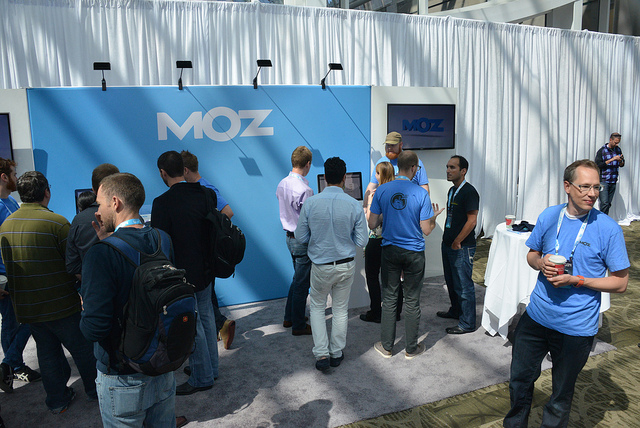
The Moz Blog has proven that content really is king

One way to gain the trust of a marketplace is to show that you are the industry authority. Not just because you have the best products, although that’s important too, but because you are able to display your expertise. This can be done via a number of ways and one of the simpler ones is high-quality content.
For example, The Moz Blog, an internet marketing blog, provides countless posts to their audience that are of industry leading quality packed with the most up to date and accurate information you can find on internet marketing. So when they release an internet marketing related product do you think the audience is going to hesitate? No, they are going to proceed to the checkout button as fast as possible.
High-quality content adds towards the overall SEO of your website, which draws in the crowds from search engines. Google algorithm changes have placed an importance on content that is the best out there, so it’s a no-brainer that you don’t sacrifice on the quality. Furthermore, great content informs your audience so that they are more educated on what problems your products can solve. It’s an indirect form of marketing that is not going to go out of fashion anytime soon.
From an SEO standpoint, incoming links are very important, they need to have relevant anchor text and be from related authoritative websites. The only natural way to get those links is to create high-quality content. Websites will then naturally want to share your content with their community if they feel it adds value.

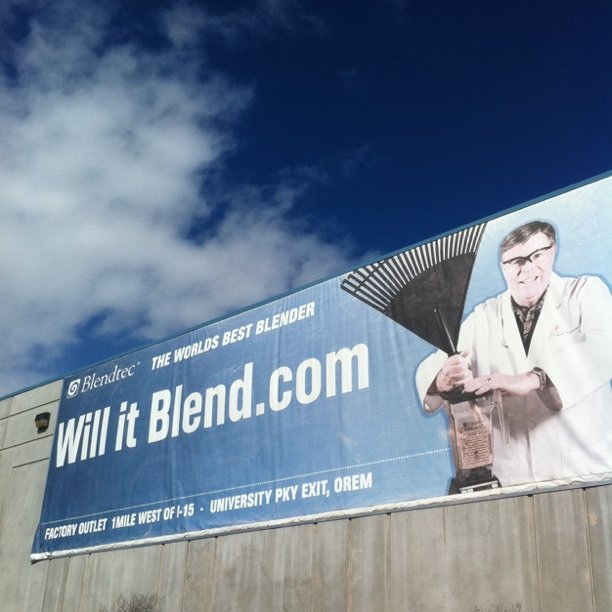
Video marketing genius by Blendtec

The “Will it blend?” series on YouTube back in 2006 is as good an example as any of how any product, even a blender, can have an entertaining video marketing campaign behind it. The people who created the blender are engineers that do not know the first thing about marketing. Fortunately, they had the sense to hire a marketer who came up with the YouTube marketing campaign.
The idea was to entertain people by blending anything they could get their hands on and put in on camera. This included wild objects such as a can of Coca-Cola, an iPhone and a whole lot more. People would watch the videos to see if the item in question would blend and in the processes be exposed to the product itself. Next time they need a blender they remember the one that was featured in the cool video they watched.
This is just one example of what a good quality video marketing camping is all about. If you create viral videos then you could potentially get millions of views in a short amount of time. YouTube is one of the most popular websites online and utilizing it to the full potential is a must for any online business.
YouTube allows a link to be placed in the description – this is how you could convert YouTube casual browsers to potential customers on your own website. Just have an appropriate landing page and you’re good to go.

Include a call to action everywhere

A mistake some brands make is to create content that doesn’t instruct the audience to do anything. Any e-mail, video, blog posts, article or press release that’s created should have some form of call-to-action that pushes the audience in the direction of performing a specific action.
This could be to buy a product, sign up for an e-mail newsletter or download a free e-book. Forbes shows an example of visually what difference a call to action can make. They show an example of an ad by JetBlue where they provide a specific price for a flight and the words “book now” underneath it. On the other hand, they show off an ad by Sotheby’s, where there is a beautifully created picture ad, but there is no call to action. It leaves the end user without a real incentive to click on the ad as they do not know what they will be getting in return.
A call to action can improve the ROI of a digital marketing campaign by such significant amount it really is night and day. Furthermore, try to use language in the call to action that speaks to your particular target market. It’s no secret that targeted ads provide a higher ROI so the same can be said for targeted call to actions.

Landing pages

The point of a landing page is to convert the potential customer into a buyer. A marketer from Essay Geeks explains: “the landing page should be related to the target audience as closely as possible”. Therefore, if the Google Ad was targeting small dental practices in Miami, then the landing page should have content related to that specific group of people.
There are many ways that you can go about creating a successful landing page. A video presentation without much else on the page is one way, or you can create a bland page with an e-mail newsletter form that stands out above the fold. It all depends on what you are trying to get out of the visitor.
Make sure that the landing page is not confusing full of clutter. It should have a single purpose for the most part. A great call to action should convey to the visitor what you want them to do.
Furthermore, you can do A/B split testing to compare one landing page against another. When you have acquired a decent sample size of traffic you can see which is the better performing landing page.
For landing page examples, Hubspot has done a great job of selecting a variety to illustrate the importance. For example, Bills.com has a final landing page that’s so simple it will confuse nobody and gets the job done.

Final Words On Digital Marketing Best Practices

Now that you’re armed with some of the best digital marketing practices you can begin to carve out the online empire in your marketplace. If the top brands in the world are making use of these techniques then you can be confident that they work.
You’ll see the power of these internet marketing techniques when your ROI skyrockets and you’re making big long strides over the competition. So use the tricks by famous businesses and online success will only be a question of time.


Source: https://blog.thesocialms.com/digital-marketing-best-practices-brands/

Thursday, 6 July 2017

6 Ways to Increase Landing Page Conversion Rates


So, you’ve got your landing page all setup. But, you’re not getting the conversions you’d like. To put it simply, if your site is not converting, then you’re not going to get enough sales.
Fortunately, there are several steps that you can take right now to increase the effectiveness of your landing pages. If you want to boost sales, use the following 6 tips to increase conversion rates.
Remain Consistent with Your Details
When promoting a product or service, it’s common to include various statistics or to provide a list of features. Just make sure that your content is consistent.
For example, if you claim at the top of your page that your software has helped thousands of people and then you mentioned that you’ve helped hundreds, people may notice the inconsistency. They don’t care which number is correct. They’ll simply leave your site.
Keep Your Content Relevant to Your Ad
Along with remaining consistent, you need to keep your content relevant to your ad. Whatever you promise in your PPC ads should also be discussed on your landing page.
Users are clicking on your ads for a reason. Make sure that you match the content of your landing page copy to the content of your advertisements.
This step can actually help lower your cost-per-click for PPC ads. With Google AdWords, the cost-per-click is partially based on the overall quality and relevance of your landing page.
You Should Only Have One Call to Action
Your landing page only serves one purpose. You should never try to promote multiple products, services, or offers on a single landing page. Focus on a single action.
If you have multiple calls to action, they should be for the same action. Otherwise, you should create a new landing page for the other actions you visitors to complete.
Create a Sense of Urgency on Your Landing Page
Creating a sense of urgency is a great way to increase conversion rates. If a visitor feels that they may miss out on an opportunity if they don’t act now, they’re more likely to complete the desired action.
You can create urgency in your titles, headers, and your call to action. Reminding visitors to act now or that your offer is available for a limited time only will help create this sense of urgency.
Include Customer Testimonials on Your Landing Page
Include a section on your landing page where you provide customer testimonials. There’s a reason that you often see testimonials on landing pages. It’s because they work.
You can pull testimonials from social media comments or send out a survey to your existing customers. Send out a mass email to your subscriber list asking for their input.
Create the Ultimate Headline for Your Landing Page
The final tip is to create the perfect headline. This is what really grabs a reader’s attention. The headline is the first thing that a visitor reads. Your headline should be direct and easy to understand.
Write several different headlines and compare the differences. Which one speaks out to you? Create multiple headlines and choose the one that works best.
Increasing your conversion rates isn’t overly complicated. There are many different steps that you can take to boost sales.
Along with these suggestions, you should also consider using A/B split testing. This lets you compare different headlines, calls to action, and layouts. Compare different versions of the same landing page to see what works best.
Start using these tips now to see an increase in your conversion rates. For additional help, find out how to get conversion-ready prospects. Click here to learn about my done-for-you system.

Tuesday, 13 June 2017

6 Tips for Writing a Call to Action That Converts


Content is the foundation that you use for online marketing. While quality content is essential, a well-written blog post or email is less likely to convert if you have a poorly worded call to action.
A call to action needs to grab the reader’s attention. It spurs them to take action. If you’ve noticed that your online marketing content is under-performing, then you should take a look at your call to action.
If you need help creating an effective call to action, then use the following 6 tips. Learn how to write a call to action that converts.
Keep Your Call to Action Short
The very first step to writing an effective call to action is to keep it short. You should try to keep your call to action to less than 150 characters. Essentially, your call to action is an “act now” button or link. It should be short while still conveying a specific message.
For example, instead of simply stating “call today”, you may state “call us today and get a free quote”. Always check the total character count of your call to action. Don’t be afraid to trim a word or two.
Use Actionable Verbs
Use action words to get your reader to complete the desired action. Actionable verbs are words that can actually be performed by a person.
For example, when you include the word “Call” in your call to action, you’re encouraging your reader to call you. Other examples of actionable verbs and phrases include:
    • Click
    • Download
    • Try
    • Sign up
    • Join
    • Start
    • Talk
    • Reply
    • Place your order
Create Urgency in Your Call to Action
In addition to actionable verbs, you should try to create a sense of urgency. You want to create an emotional trigger to give the sense that they need to “act now” in order to take advantage of your offer.
For example, you wouldn’t state “call us anytime to learn more”. Instead, you would state “call us today to learn more”. Here are a few examples of words that you can use to achieve this:
    • Now
    • Today
    • Limited time
    • Act now
    • Don’t delay
    • Last chance
Provide a Value in Your Call to Action
Another solution for boosting your conversion rates is to provide a value in your call to action. Including an offer or special promotion in your call to action lets your readers know that they’re getting a deal.
When writing your call to action, you may mention “call today for a free quote”, “call now to get a 50% discount”, “click here to receive your special gift”. This is a simple way to convert skeptical readers.
Make Sure Visitors Can Read Your Call to Action
Along with the actual words that you use, you need to make sure your call to action is readable. This means avoiding small fonts or intricate designs.
You can use graphics and interesting designs in your copy. But, your call to action needs to be highly visible and readable.
Keep Your Action Simple
Once a reader clicks on your call to action, they shouldn’t have any problem completing the next action. If the action is filling out a form, the form should be simple. If the action is giving you call, they shouldn’t have any problem finding the phone number.
Use these tips to start writing calls to action that actually convert. You should also consider using A/B split testing to test the effectiveness of your calls to action.
For even more online marketing tips, including the ultimate solution for conversion-ready internet marketing prospects, click here to learn more about my done-for-you system.

Monday, 5 June 2017

Using A/B Split Testing to Increase Conversion Rates on Landing Pages

If you’ve ever used an email marketing campaign to promote your business, then you’ve probably used A/B split testing. It’s a common method for testing the effectiveness of different calls to action, headlines, subject lines, and other variables.
You can use these same methods to test your landing pages. If you feel that your landing pages are not converting, then use A/B split testing to determine the what needs fixing. Get started with these easy to follow steps for A/B split testing to boost the conversion rates of your landing pages.
Decide What Variable You Want to Test
The very first step is deciding which variable you want to test. Only test one variable at a time, such as a call to action or your primary header. If you make more than one change, it’s hard to analyze the results of your split testing. Only choose one variable to change and only run one test a time.
After choosing a variable, create two separate versions of your landing page. Make a note of the date that you made the changes so that you’ll be able to analyze the results at a later date.
Link to the Two Versions of Your Landing Page
Whichever marketing channels you’re using to direct traffic to your landing page, create two separate versions linking to both versions of your landing page. For example, if you’re using PPC advertising, create two separate ads. The ads should be identical other than the URL of the landing page.
If you’re using email marketing, then send out two separate emails, linking to the two different versions of your landing page. As with the PPC ads, the emails should be identical other than the link in your call to action.
Analyze the Results of Your Test
The amount of time that you should wait before analyzing the results of your test will depend on how much traffic your website receives. If you receive hundreds of visitors per day, then you can analyze your results after several days. Though, if you get less traffic, you may have to wait for one week or longer.
In order to analyze the results, you’ll need some form of analytics software, such as Google Analytics. Look at the statistics for your two landing pages. Don’t pay attention to the total visits. You should only look at percentages.
Focus on the conversion rates for the two pages and the bounce rate. Determine which version of the landing page had a higher conversion rate. Consider the differences between your two pages. Whichever page performed better, implement the changes to the other page. You can now perform your next test.
Continue Performing Tests to Tweak Your Landing Pages
After you complete your first test, you can continue performing A/B split testing to tweak your landing pages. You can perform as many tests you’d like, learning from the experience and discovering what works best.
Once you have perfected your header and call to action, you could consider testing the structure of your text or the content on your page. You can also test the images that you use, the color scheme of the landing pages, and any other variables that can impact the performance of your landing pages.
A/B split testing isn’t complicated. You just need to remember to focus on one variable at a time. Wait for the results and make changes based on the outcome. Use what you learn to increase your conversion rates and make your landing pages more effective.
You can begin using these methods now or if you’d prefer additional internet marketing solutions, then click on the following link to learn more about my done-for-you system.

Friday, 12 May 2017

Developing a Conversion Funnel to Increase Sales


If you want a solid marketing campaign that generates positive sales, you should consider using a conversion funnel. This is a tool that is often used by successful internet marketers. By learning how to build a conversion funnel, you’ll be able to create a structured campaign that actually converts.
Here is a simple guide for developing a conversion funnel for your next marketing campaign.
What is a Conversion Funnel?
First off, what is a conversion funnel? It’s a structured outline of your method for acquiring new customers and completing a sale. You’re funnelling your potential customers through a planned campaign, starting with the acquisition and ending with a sale or inquiry.
The reason for the funnel shape is that the number of prospective customers drops off the further along you go. You can then determine where the largest drop-off occurs and come up with solutions for fixing the leak in the funnel.
For example, you may get 1,000 visitors to reach your landing page. Half of those visitors may follow through with the next action, such as subscribing to your email list. Half of those subscribers may follow the link in your next email. The number trickles down until you reach your final conversion rate.
The standard conversion funnel can be broken down as follows:
  • Attraction
  • Interest
  • Desire
  • Action
You first need to attract potential customers. This is done through your standard marketing channels, such as PPC ads, press releases, social media marketing, and search engine optimization. From there, you need to capture their interest, such as with a landing page.
You then use desire in your calls to action to get them to move to the next step – completing an action. The intended action is usually a purchase or contacting you to learn more about your offer.
Attracting the Right Customers
The first part of the funnel is attracting potential customers. You need to attract the right customers to boost your conversion rates and make your funnel more effective. There are multiple solutions for this. You can perform market research to learn more about the interests of your prospective customers.
You could also focus on the copy used in your advertisements and marketing. Use long-tail keywords to narrow the focus of your advertisements. Targeting a niche category within your industry is always a good method for attracting the right customers.
Build Interest and Desire
Building interest and desire gets accomplished through landing pages and emails. Your landing pages should build interest in the solution that you’re providing. Your goal should be to gain subscribers. You can include a call to action on your landing page to complete a sale, but include an opt-in form for subscribing.
Some of your visitors may not be interested in making a purchase right away. But, you could still end up getting their email address. This is an essential part of the funnel. You’ll need to create an email marketing campaign for targeting visitors that left without making a purchase.
Send a Follow Up Email
You can attempt to plug the leak in your funnel by sending follow up emails. The opt-in form that you include on your landing page should be separate from your other subscriber lists. Create a follow-up email that you can send to these visitors.
Your follow-up email should build the desire to come back to your website and complete a purchase. You could include an additional offer, discount, or promotional code to entice the visitor back to your website.
Create an Effective Call to Action
The final part of increasing sales through a conversion funnel is to create a killer call to action. Your call to action needs to convert. If you need help creating an effective call to action, use split testing to fine-tune your final message.
Conversion funnels are incredibly effective at increasing the effectiveness of your marketing campaign. It makes it easier to keep your campaign structured and maximise your conversion rates.
You can easily look at each stage of your conversion funnel – advertisement, landing page, email, and sale, to determine which area needs to be optimised. Focus on the areas where your potential customers start to drop-off and then come up with a solution to plug the leak and improve your funnel.
You can develop your own conversion funnel now or for additional internet marketing tips – click on the following link and learn more about my done-for-you system.

Wednesday, 3 May 2017

Expert Tips for Improving Your Conversion Rates


Are you finding it difficult to increase your conversion rates? If you can’t convert your traffic into sales, then what’s the point of your marketing efforts? It can be incredibly frustrating to spend time and money attracting visitors to a landing page or sending out mass emails without noticing an increase in sales.
Conversion rate optimization isn’t always easy. If you’re not happy with the current performance of your marketing efforts, then take a moment to explore these 5 expert tips for improving conversion rates.
Keep Your Content Simple
Whether you’re creating an email or website copy, you need to keep the content simple. Don’t get carried away explaining all of the benefits of your product or service. Too much content can turn visitors away.
Consumers are smart. They’ll see through lengthy sales pitches. They want immediate solutions to whatever problem you’re addressing.
Keep Your Forms Simple
In addition to keeping your content simple, you’ll want to keep your forms simple. If your visitors need to fill out a form, it should be as simple and straightforward as possible.
For example, if you’re just collecting their email address, you don’t need their phone number, address, and last name. You could just ask for the information you really want—their email address. Though, including their first name, can help you personalize emails.
Basically, don’t require your visitors to fill out any information that you don’t really need. Market research has shown that conversion rates drop dramatically as you begin adding more elements to a form.
Make Your Call to Action Visible
Make sure your call to action delivers. Your call to action should not only entice visitors to move on to the next step, it should be highly visible. Otherwise, your call to action won’t have the impact that it needs to have.
Make sure that your call to action is larger than the main text of your content. Many companies place the call to action in a button, to help it stand out. Use bold lettering, make the text bigger, and make it noticeable.
The call to action should also be placed early enough in the copy that readers get to it within 1 to 2 minutes of reading. Consider placing your first call to action below your second or third paragraph.
Create Catchy Headlines and Sub-Headlines
You should put just as much thought into your headlines and sub-headlines as you would your call to action. If you’re sending out emails, you should use the headline in the subject line. This will be the only chance you have to get readers to open the email.
The headline should grab their attention. It should offer readers something of value, without giving away too much information. It should be short, to the point, and intriguing.
Add Customer Testimonials
You can round out your emails or landing pages by including customer testimonials. Consumers are more willing to listen to another consumer. If a consumer is unfamiliar with your brand, they’ve no reason to trust the claims that you make.
With the addition of a few customer testimonials, you’re showing your visitors or readers that your solution really works. You’re promoting the idea that if the reader takes action that they can enjoy the same benefits as the customers that provided their testimonials.
If your product or service is new and you don’t have any customers yet, you could start your marketing efforts by sending out some freebies to a select group of individuals, in exchange for their feedback. Just make sure that you let them know that their comments may be used for commercial purposes.
It’ll take time and energy to start improving your conversion rates. But, you can get started now by employing the strategies provided.
In addition to this advice, you should explore more internet marketing advice. Click on the following link to discover the power of my done-for-you system.

Tuesday, 25 April 2017

How to Keep Users from Unsubscribing to Your Mailing List


Having an effective email marketing strategy can be a major boost for any business. In fact, most businesses rely heavily on their mailing lists. They help generate sales leads. The ROI of using mailing lists is undeniable.
Sometimes, after you’ve built up your list of subscribers, you may find that your list begins to dwindle. Over time, you lose subscribers. Some consider this a natural progression and say there’s nothing you can do about this. That’s simply not true. Here’re some tips for keeping users from unsubscribing.
It Needs to Be Clear What Users Are Signing Up For
The first step is to make sure that you’re being clear about what your users are signing up for. When you use vague terms and catchy headlines to grab attention, you may get more subscribers. But, these subscribers aren’t likely to stick around. Use clear, concise calls to action.
Request Feedback from People That Unsubscribe
Another step that you can take is to request feedback. When a user visits your site or follows a link to unsubscribe from your mailing list, use a simple text field form to allow users to leave their feedback. Ask them why they’re leaving. Some users will simply skip this step, while others could leave valuable feedback.
Test the Frequency of Your Emails
You may be sending too many or too few emails. Test the frequency of your emails. Some users get annoyed if they receive too many emails, while sending too few may cause some users to forget about your business. In either case, they’re likely to unsubscribe.
Depending on the email marketing system you use, you may have access to A/B split testing. Use split testing. With one set, send your emails daily. With the other set, send one email per week. At the end of the week, look at the stats. Make changes to the frequency of your emails, based on the results.
Automate Your Emails to Increase Engagement
By automating some of the messages that you’d send to subscribers, you might increase engagement. This includes the use of welcome emails, notifications, and other generic mailers. If a user subscribes to your mailing list, they should automatically receive a welcome or thank you message.
Set a Schedule for Your Emails
After you’ve tested the frequency of your emails, set a schedule and stick to it. If you’ve found that users are less likely to unsubscribe when sending weekly emails on a Monday — always send your emails on a Monday at the same time of the day.
Pay Attention to Inactive Subscribers
You should keep an eye on trends among your subscribers. For example, users that become inactive and stop opening emails are likely to unsubscribe in the near future. Set up a strategy for dealing with these inactive users.
You could setup an automated email to help re-engage the subscriber. This could include special offers, promotions, and other incentives to get them to remain on your mailing list.
Prevent Unsubscribing Errors
While unsubscribing on accident isn’t likely a major reason for a drop in your subscribers, it could play a part. Prevent unsubscribing errors by requiring people to confirm the fact that they want to unsubscribe. This gives them one last chance to change their mind and could save you a few subscribers.
Email marketing should be a major part of any marketing strategy. They’ve been proven to be effective. If you’re worried about the number of people unsubscribing from your mailing lists, use the tips provided. For additional help and successful marketing, you should learn more about my done-for-you system.

Monday, 17 April 2017

Essential Elements of Email Swipes and How to Put Them to Work for You


When you promote affiliate products, in many cases the person actually selling the product is going to provide you with the text you can simply copy and paste into your email. But sooner or later you probably are going to have to create some emails yourself. And even if you don’t, it’s important that you understand why the emails you send out are structured the way they are.
As an affiliate marketer, you are sending an email to the people on your list because you want them to do something: In most cases, purchase your products.
Given the quantity of emails most people receive, it is unlikely that your recipients are going to be willing to spend much time reading all the way to the end of your email. In fact, in most cases you will be lucky if they open it at all.
Getting to the Point
In a sales letter, for example, you have the luxury of several pages to build excitement for your product.
In contrast, with a print ad you have only a moment to use images and tag lines to grab your viewer’s attention. A marketing email falls somewhere in between.
Like a sales letter, the purpose of your marketing email is to drive your reader toward a Call to Action … or the CTA. In other words what it is you want them to do. Unlike a sales letter, you don’t have much time to get them there before their attention wanes. As a result, in many ways a marketing email is like an abbreviated sales letter.
Elements of an Email Swipe
The elements of a sales letter and marketing email are the same:
  • Greeting
  • Presenting a Problem
  • Offering Your Product as a Solution
  • Listing Your Product’s Benefits
  • Special Offers and Bonuses
  • Call to Action
  • Link to Product Web Page
The greeting should be simple and straight-forward. If your target audience is a specific group, feel free to reference the group in your greeting:
Dear Internet Marketer:
Your autoresponder program will let you automatically include your recipient’s first name in the greeting, such as:
To: Alice Walker
or
Dear Alice,
If your autoresponder offers this option, use it because it makes the email more personal.
Keep It Simple
You also want to always make sure the content of your email is interesting and on point. Don’t digress or swerve off onto other subjects. Remember that your recipient is receiving dozens, even hundreds of emails per day and they probably are only going to send a few moments on yours, if they open it at all.
Grab their attention early … starting with the subject line … then set up the problem that is relevant to your affiliate product niche and keep the email moving briskly toward the CTA. Your goal is to grab their attention and hold onto it throughout the body of the email so they will keep reading.
In most cases, the email should be no more than one page or a page and a half at most. Try to limit your content to less than a dozen paragraphs, if possible.
So know you know how to create an effective promotional email that is going to convert your customers to buy the affiliate products you are promoting.
Knowing how to effectively use email swipes to keep pushing your customers past the buying point is critical to your success. If you’d like to have access to even more powerful marketing tips, as well as a way to generate conversion-ready Internet marketing prospects each month, click here to learn about my done-for-you system.

Wednesday, 29 March 2017

Exploring And Leveraging YouTube For Your Business

This video explains how video marketing has emerged as an effective marketing tool for any business to get noticed. Simple steps are given as to how anyone can create a YouTube video from scratch. No expensive camera or video editing software are necessary since a standard HD webcam will do. Put these tips into action and you’re going to drive traffic to your site soon.


Tuesday, 28 March 2017

5 Tips to Instantly Boost Conversion Rates


A low conversion rate will waste your efforts to drive traffic to your website. If you can get a thousand people to visit a landing page, you’ll only get 10 new leads if your conversion rates are at 1%.
Typically, if you’ve got low conversion rates, there are just a few areas that need to be tweaked. By making a few small adjustments, you can instantly begin improving the percent of people that complete the desired action on your landing page.
Here’s 5 tips for instantly boosting your conversion rates.
Get Rid of the Jargon
You first need to get rid of the jargon on your landing page. People don’t respond to phrases and words that they don’t understand.
When you’re writing sales copy, you want people to understand your message. Keep it simple.
You need to get rid of the fluff. Here’s a few examples of jargon that needs to be eliminated:
  • State-of-the-art
  • High-quality
  • Powerful
  • Ultimate
These fluff words don’t need to be added, if you have a real value to offer your visitors. Instead of stating that you’ve got a “high-quality product”, you might state that you’ve got a “product that will change how you handle…”
Decide How Your Product is Different
You also need to know how your product or offer is different from your competition. You should never state the obvious in your copy. Instead, focus on what sets you apart. Otherwise, you’re focusing on what makes you the same as everyone else.
For example, if you sell tax preparation software, you wouldn’t list “helps you prepare taxes” as one of the benefits of your software. This is a given.
By focusing on the strengths, you can set yourself apart from the rest of your competition.
Address the Most Common Objections
Write a list of reasons why people may be hesitant to make a purchase on your website. Be honest and come up with the most common objections.
For example, people may be hesitant to purchase from an unqualified source. To address this, you need to explain why you’re qualified to offer your product or service.
Another common objection is that your product may not work for every customer. To address this objection, you should include a variety of customer testimonials.
Write the list of objections and then address them, one at a time. Use this list as a checklist that you go over before going live with your landing page.
Keep it Short
Keep it short. This applies to everything on your landing page. The words, sentences, and paragraphs should all be short. This makes your content easier to read.
Most people don’t read every single line in a sales ad or landing page. They skim through it. Break up your content and use shorter paragraphs.
Make it Easy to Complete the Next Step
Another solution for improving conversion rates is to make it easy for your visitors to complete the next step. Whether you’re having them subscribe to your email list or register for a webinar, the form they fill out needs to be short.
Typically, you should only include the required fields in your form. This includes name and email address. You really shouldn’t require more than 3 or 4 fields. Beyond this, conversion rates start to drop.
These are just a few tips for increasing your conversion rates. You should also try using A/B split testing to try different headlines and calls to action.
Along with these tips, you can gain even more internet marketing suggestions, and a way to generate more sales leads, by clicking here to learn about my done-for-you system.